
Epotek EJ2189-LV Overview
Epotek EJ2189-LV is the low-viscosity variant of the popular EJ2189 silver-filled epoxy. Engineers rely on Epotek EJ2189-LV for precision dispensing and thin-bond-line applications across the electronics industry. This two-component conductive adhesive delivers the same high electrical performance and room-temperature curing convenience as the standard version. A refined rheology helps technicians fill small gaps and handle ultra-fine component footprints with confidence.
Assembly teams choose Epotek EJ2189-LV for bonding micro-SMD components, specialized sensors, and high-density semiconductor packages. A thicker paste would struggle in these applications, but the low-viscosity formula flows easily into tight spaces. Epotek EJ2189-LV also provides excellent moisture resistance and high mechanical strength. These properties keep conductive joins stable under physical stress and thermal cycling.
Epotek EJ2189-LV achieves low volume resistivity without requiring high-heat processing. This makes it an indispensable tool for technical engineers working on specialized diagnostic equipment, flexible electronics, and high-vacuum aerospace assemblies. Because it cures at room temperature, production teams can save energy and protect heat-sensitive components nearby. Many electronics manufacturers now specify Epotek EJ2189-LV whenever a project calls for a reliable, easy-to-apply silver-filled epoxy.
Typical applications include component staking, wire tacking, and repair work on populated circuit boards. The adhesive also performs well for shielding and grounding tasks that need a dependable electrical path. Formulators designed the low-viscosity grade to wet out fine features without trapping air, which helps reduce voids in the finished bond.
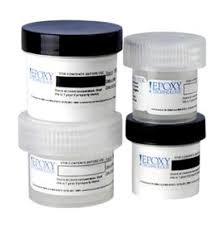
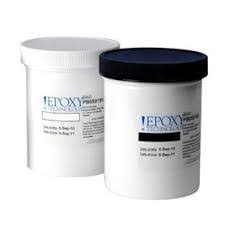
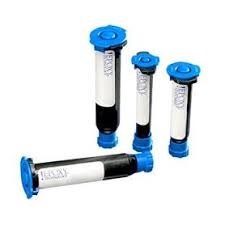
Standard packaging options include syringes and jars sized for both prototype work and production runs. Refrigerated storage between 0 degrees C and negative 40 degrees C extends the working shelf life, while the product remains stable at room temperature for shorter periods during active use. Technicians should always consult the technical data sheet for exact mixing ratios, working time, and full cure schedule before starting a new assembly process.
Quality teams often select this adhesive because it balances handling ease with long-term reliability in demanding environments. Consistent performance across production batches helps reduce rework and supports tighter process control on the assembly line.

Reviews
There are no reviews yet.